We gather the world's best AI engineers, leaders, founders, and researchers, and publish all their best work for free, through conferences and workshops. Help!
- Tweets 3,400
- Following 86
- Followers 64,746
- Likes 3,046


ALT AI Engineer New York Classic speaker card. October 13, 2026. No Cash Left Behind: Vanguard's Ledger Modernization Journey. Circular portrait of Gareth Yoder, Cash Program Technical Lead of Vanguard. AI Engineer New York takes place October 12–14, 2026 at the Sheraton New York Times Square.

ALT AI Engineer New York Orbit speaker card with a circular portrait of Rayan Krishnan. October 13, 2026. Beyond the Model Card: The Jagged Frontier of AI in Finance. Rayan Krishnan, Co-Founder and CEO of Vals AI. Join us at https://ai.engineer/nyc.

ALT Jerry Liu speaking at AI Engineer World’s Fair 2026. Give your agents better document context. Jerry Liu, co-founder and CEO of LlamaIndex. Watch the 21-minute talk. Next stop: AI Engineer New York, October 12–14, 2026. ai.engineer/nyc/2026.

ALT AI Engineer New York, October 12–14, 2026 at the Sheraton New York Times Square. Last call for Regular pricing. Engineering: $1,299, then $1,499. Leadership: $1,499, then $1,799. Book by 5 PM Eastern today, October 2. Ticket fees apply. Workshops are an add-on. ai.engineer/nyc/2026.

ALT AI Engineer New York speaker card. October 13, 2026. Wells Fargo Foundation Model: Application to Fraud Detection at Scale. Photograph of Freddy Lecue speaking at a podium. Head of Frontier AI Models, Managing Director, Wells Fargo.



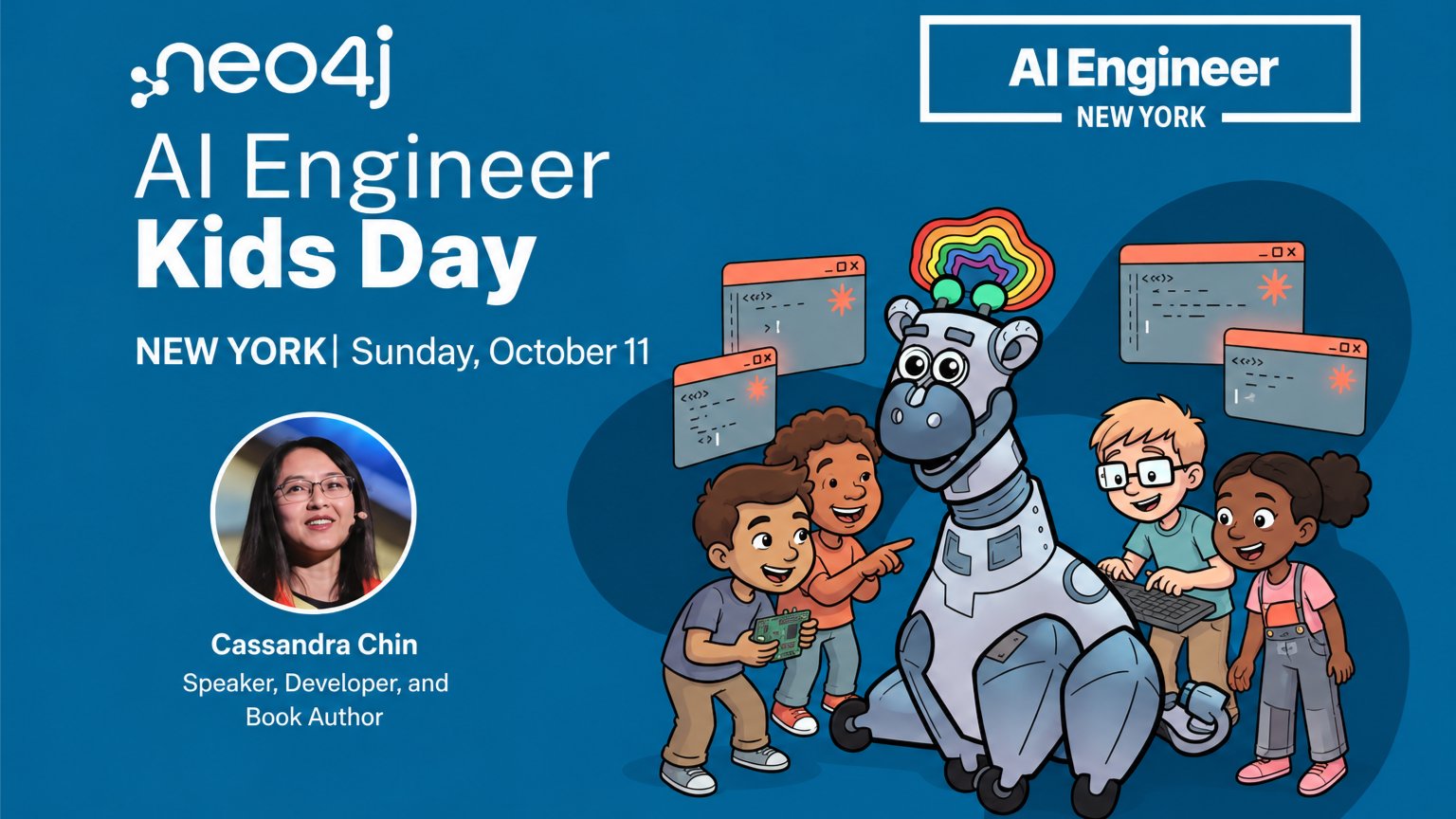
ALT AI Engineer Kids Day New York on Sunday, October 11. Blue Neo4j and AI Engineer graphic featuring workshop instructor Cassandra Chin and illustrated children building with a robot giraffe and code windows.


ALT AI Engineer New York Gold Sponsors graphic showing 30 company logos over the Manhattan skyline. October 12–14, 2026 at Sheraton New York Times Square Hotel.


ALT Black AI Engineer Code Summit graphic with the official Code Summit logo and a technical grid. Centered gold text reads “Early Bird Extended”; white text reads “Save $300” and “Apply by Friday, October 2.” Footer: ai.engineer/code/2026; November 10–12, San Francisco.